|
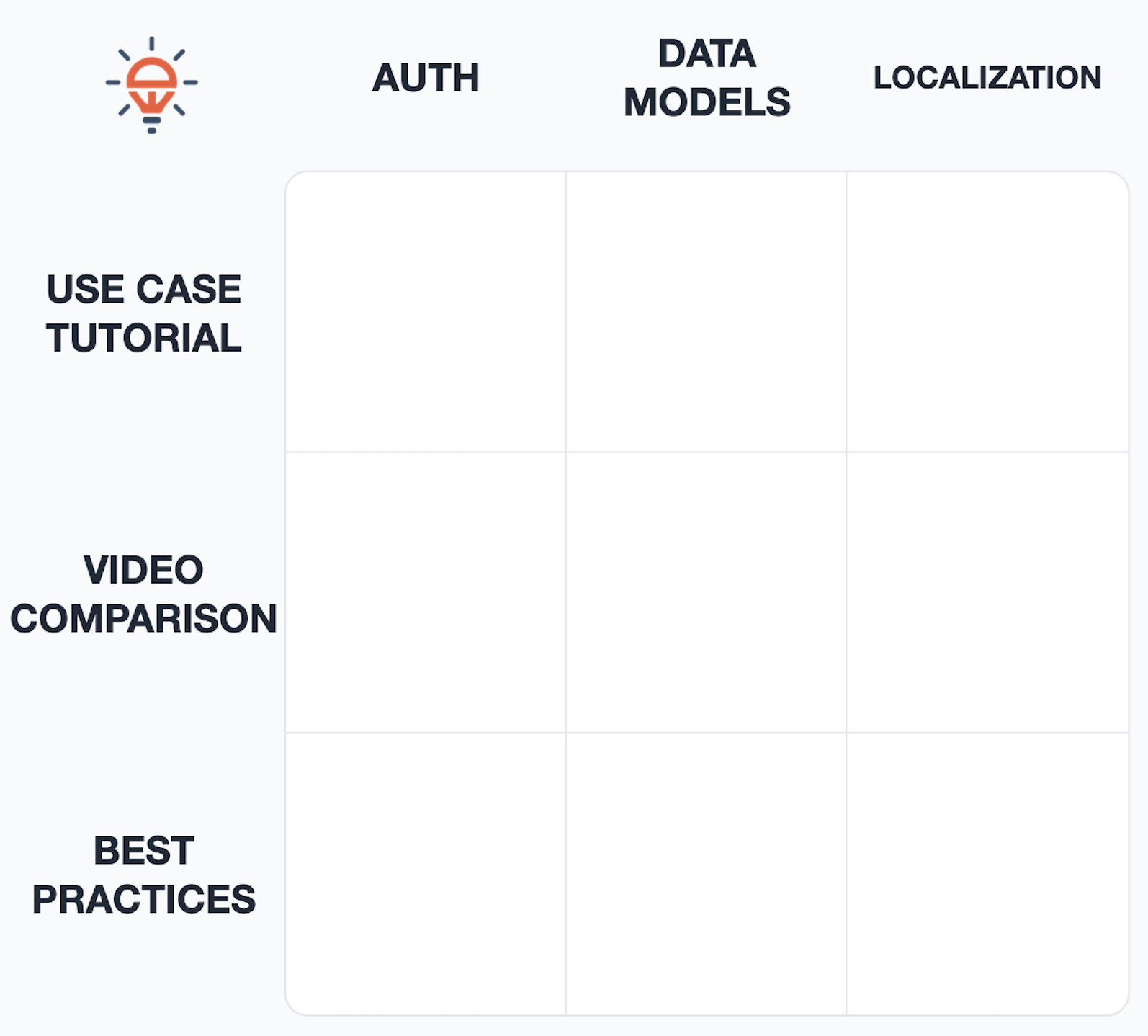
Hey Reader, You don’t even have to be a baseball fan like me to use this approach with developers. But to explain it, I have to tell you a little about my morning routine. One of the first things I look at is empty space. I wish I could say it was some zen practice to put me in the right mindset. But it’s a 3x3 grid that sometimes makes my brain hurt. It's called the Immaculate Grid. Along the top are three baseball teams or statistic categories. Three more down the left side. With nine guesses, the goal is to put a different baseball player in each square: IMG: https://cdn.zappy.app/acec69bba9a09b3b4c2b65bbadccaea7.png I’ve been following this daily routine for three years. When I first started, the goal was to get as many right as possible. Five out of nine was a good day—more right than wrong. But each correct answer includes a percentage indicating how many people chose the same player. After a while, my goal shifted not just to nine correct answers, but to the most obscure nine I could pull from my brain. Here’s an example: If the categories are Yankees and Twins, one in four people will choose Chuck Knoblauch, who was an All-Star in Minnesota and won three straight World Series with New York. That’s 25% for that square, which will be added to the others. Instead, you might choose Graig Nettles, who is less remembered for those two teams. He’d only be 1%. A few minutes of my day are spent thinking about baseball players while I drink my coffee, plotting them onto a grid, then sharing the results with my baseball friends. It’s a little daily puzzle and a fun way to explore new connections. Then I switch gears and go back to where my brain is the other 99% of the time: developers. I can’t help but return to the grid format as I help companies attract more of the right developers to their products, especially since many devs now use LLMs to discover tools. You could create a grid of content types and use cases. Then you begin filling your grid with specific topics.
Like the baseball game I do every day, there are multiple topics that fit in each square. Some are more obvious than others. They might be the angle everyone thinks of first. Sometimes that obviousness signals foundational content you should include. But most of the time it’s overplayed and generic, and you should search for the more original angle. That’s what’s more likely to attract developer attention. The number one problem we see with developer content is that it’s generic. It may be keyword-stuffed, but it’s not insight-stuffed. A content grid can fix that. You can use these grids for any type of technical content. For example, we’re often asked how to prioritize tutorials and documentation. You can make a grid of programming languages or technologies on one side and use cases on the other. And you’re not restricted to 3x3. For docs, you might extend to 5x5 or more. For a hyper-focused content strategy, 2x2 could give you a year’s worth of material. Unlike Immaculate Grid, you can put more than one thing in each square. And the categories don’t change every day—unless you find that what you’ve chosen no longer resonates with developers. If you struggle to see your developer audience with fresh eyes, it can sometimes help to call in an outside party. That’s where teams like ours come in. Give the grid a try, whether with ball players or developers, and send me a screenshot of your selections.
|
EveryDeveloper
Finally, baseball is good for something

Adam DuVander
3mo·5 min read

Enjoyed this article?
See more from EveryDeveloper