|
Hey Reader, The tracking details suggested the package was shipped from Portland, but I was sure it must be showing the destination. I’d impulse ordered a collectible off of eBay: a small piece of metal from 1935 that had once been part of a promotion between Ovaltine and Little Orphan Annie. Sound familiar?
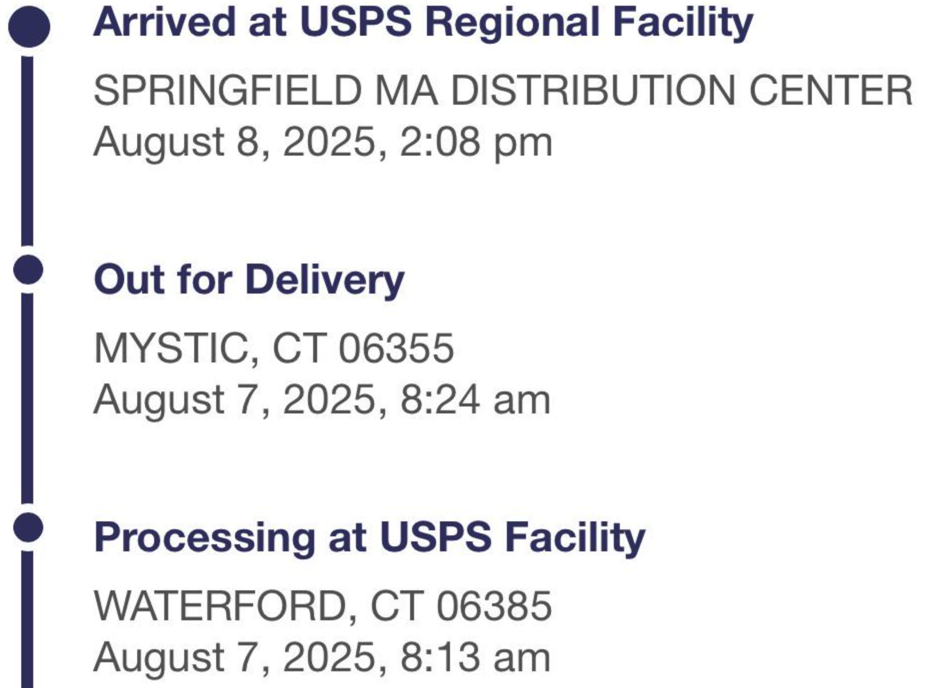
A version of this “decoder ring” was featured in the movie A Christmas Story. Ralphie realizes that his secret society is disguised as a commercial. It’s the perfect illustration of how developers can sometimes feel hoodwinked by marketing. The decoder I bought off eBay was an earlier model, but it can decode messages just the same. There were several to choose from, including the “real deal” 1940 version, but I was drawn to the story behind the one I got. And it helped that it was significantly cheaper. I recorded a decoder unboxing where I share a bit about it. The part I didn’t know when I bought it: the seller is a fellow Portlandian. I learned that when the package arrived, reading the return address on the outside of the small bubble mailer. The local connection made the story that much better. It also reminded me of the screenshots I’ve seen about overnight shipping that goes out of its way to travel only a few miles. Read your way through tracking data and you might resemble the thinking face emoji 🤔
Departure scans and pit stops in small midwestern cities seem to be part of every package’s journey. If FedEx and UPS are to be believed, they’ve figured out logistics. It’s easy to lampoon their choices as inefficient, but we don’t have the full story. Back when personal blogs were a thing (remember them!?), a software founder talked about his experience getting college football tickets overnighted from his own city. There were two choices made in the name of “efficiency.” And he declared that both were likely the right trade-off. First, even though he was 1.8 miles from campus, it made sense that they used a single shipment method for all tickets. And secondly, UPS managed to keep the package from going to a distribution center before returning to the same city. Maybe they do know something about logistics? Yet, you can imagine someone making the opposite decision. That’s the great thing about trade-offs… “it depends” is a reasonable answer! It also builds a TON of trust with developers when you can tell them your tool might not be the best solution for them. If you can explain the technical trade-offs, they’ll see that you have their best interest in mind. Strangely, it makes your marketing MORE believable when you talk about your product’s shortcomings (which is, essentially, the message behind the message with trade-offs). When devs look for tools now, they can be incredibly specific. They can now look for alternatives to a big player, which is open source, and has great support for Python. We know they’re asking LLMs to help them choose their tools. How you show up in these specific searches, especially compared to more generic prompts, is a modern form of competitive intelligence. What are the trade-offs where you are discovered? And what can you do to tell developers — and the LLMs that help them — your product’s best use cases? Adam P.S. This is exactly how we started collecting the data that now powers LLM Rank. The real story is in the details. Reply if you’re curious what things look like for you. |
EveryDeveloper
Overnighting a package two miles

Adam DuVander
3mo·5 min read


Enjoyed this article?
See more from EveryDeveloper