Monday started like any other day for millions of people around the world. Then, suddenly, it didn’t.
Picture this: You’re trying to send a Venmo payment, your kid wants to play Fortnite, and you need to check your bank balance on the Lloyds app. Snapchat went dark. Duolingo users couldn’t practice their Spanish. Roblox developers stared at error screens. Suddenly, none of it works.
You’re not alone. That was the reality for millions of people when AWS went down.
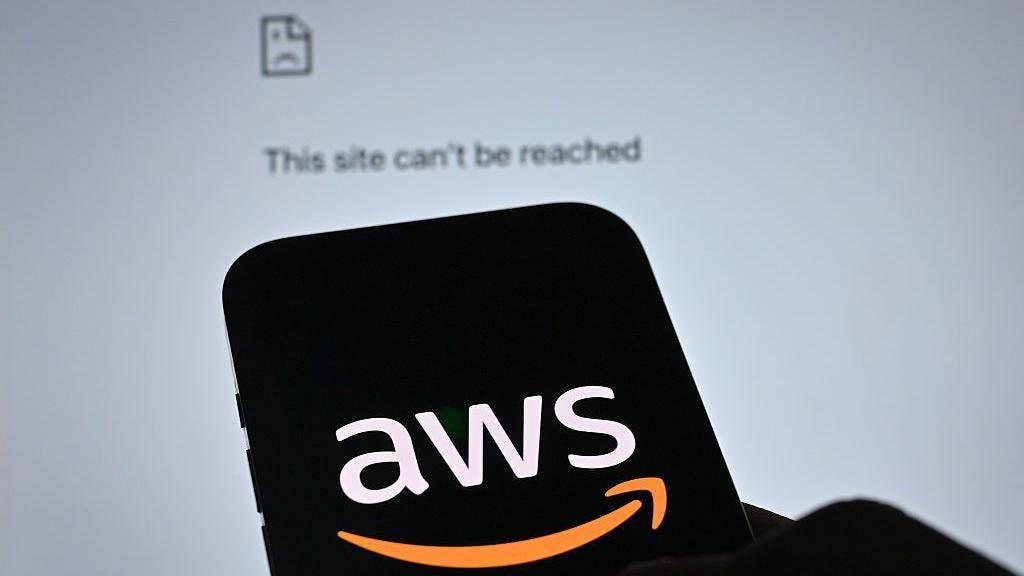
Despite being the invisible backbone supporting more than 1,000 companies and services we use every day, AWS was reportedly down for 15 hours on October 20, 2025.
What actually happened?
The outage started around 4:00 AM EDT. According to Downdetector, over 6.5 million reports flooded in globally. Everything from social media apps to banking services to educational platforms went offline or became severely degraded.
The affected? A who’s who of digital services: Snapchat, Roblox, Zoom, Coinbase, Duolingo, Lyft, banking apps like Lloyds and Halifax, MyFitnessPal, Starbucks mobile ordering, Canvas, the Wall Street Journal, the New York Times, and ironically, Amazon’s own e-commerce platform.
Even the Premier League’s Semi-Automated Offside Technology had to sit this one out during Monday night’s match.
The breakdown for everyone
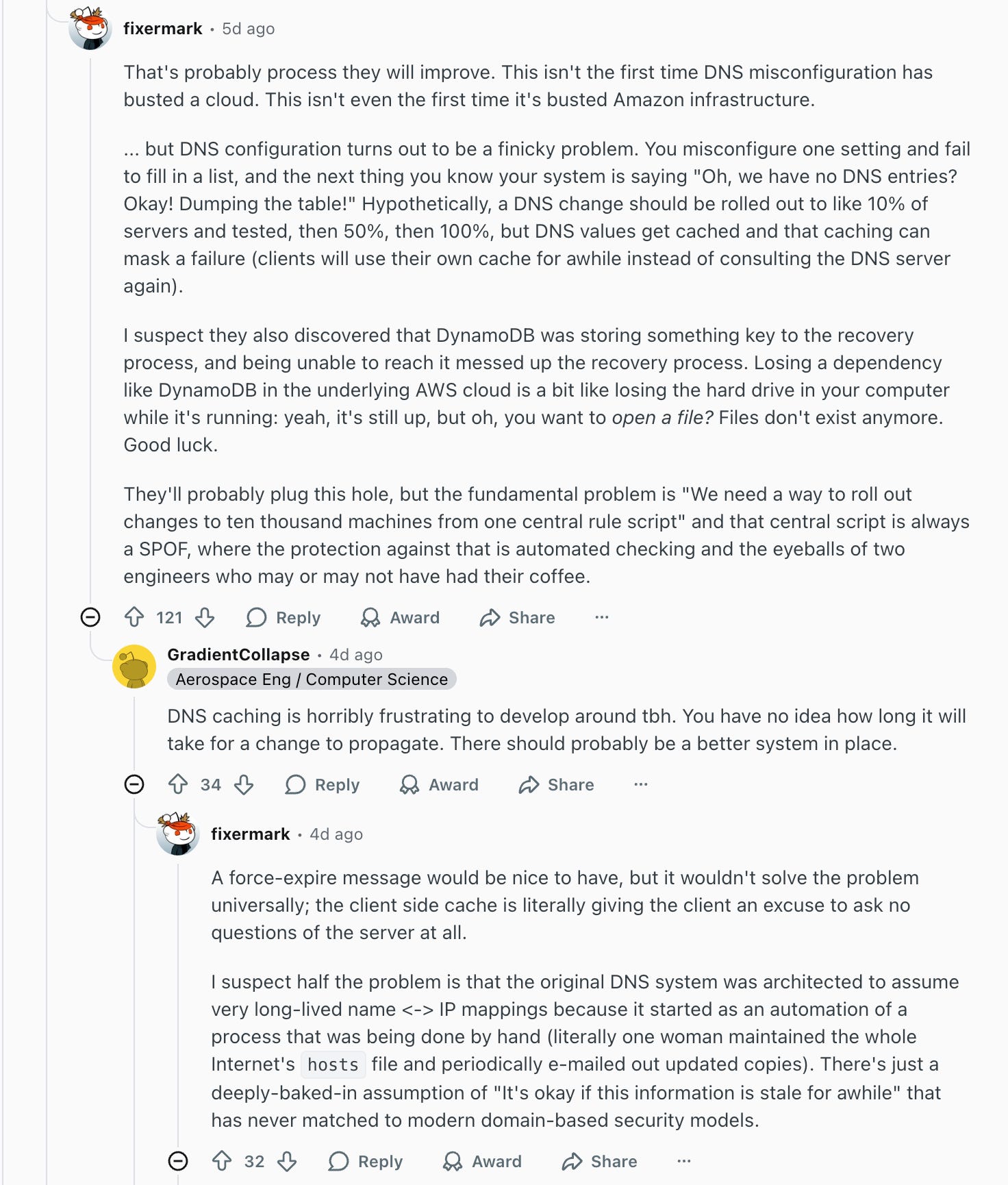
The problem wasn’t some dramatic server explosion or a cyberattack. It was DNS, the Domain Name System, often called the internet’s “phone book.”
When you type “instagram.com” into your browser, DNS translates that human-friendly name into the numerical address computers actually use. When DNS stops working, it’s like having someone’s phone number but the entire phone network forgetting how to dial it.
The failure originated in AWS’s northern Virginia data center cluster, known as US-EAST-1, the world’s largest cloud provider hub.
AWS messed up a single point of failure: the DNS record for DynamoDB. The database itself stayed online, but apps couldn’t connect because its DNS was missing. Since DynamoDB underpins many AWS services, that small DNS issue cascaded into widespread outages.
This is the third time in five years that a major internet outage has stemmed from this same Virginia facility.
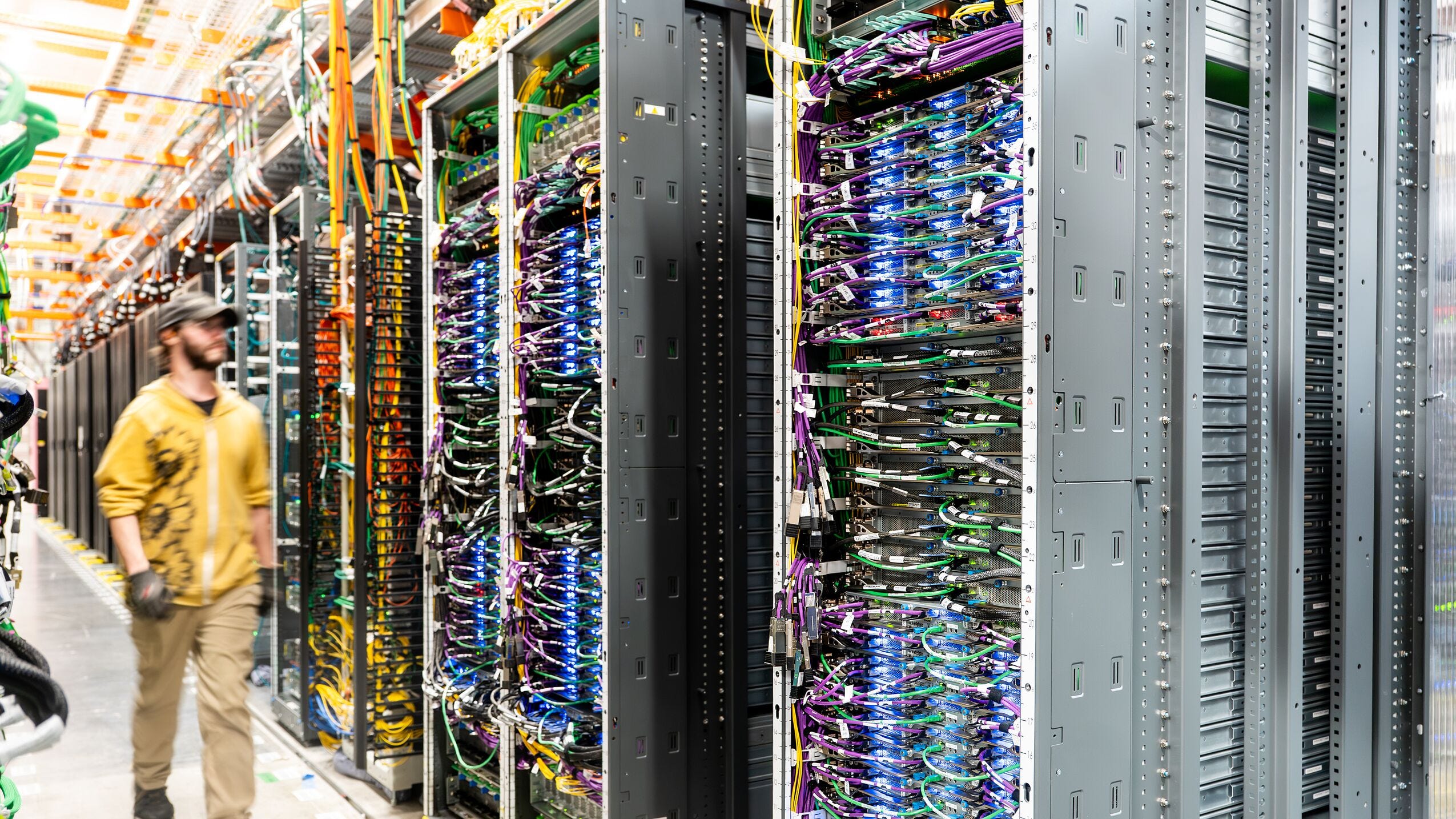
IT security officer Marek Szustak from eSky Group put it perfectly: “As engineers say, it’s always DNS.” Despite being seemingly minor infrastructure, DNS can paralyse the largest cloud environments when it goes wrong.
AWS’s Lambda service was particularly hard hit. Lambda helps ensure your phone, computer, or television can run apps from the cloud. When Lambda faltered, the cascading failures multiplied.
Reliability is one of the 6 pillars of AWS’ Well-Architected Framework, so the bigger question when this incident occurred is ‘Why wasn’t AWS redundant enough to survive the server outage the other day?’
The blame game begins
The stories emerging from this incident paint a fascinating picture of our dependence on cloud services.
Charles Osita Odili, a Roblox game developer who’s built his entire career on the platform, described the experience: “Once it all went down, we couldn’t access either [Roblox game or development tools], meaning we couldn’t work on our respective games for a couple of hours.”
But developers are pragmatic folks. “Everyone just goes to do something else for a few hours,” Odili explained, “then as soon as someone gives the green light that it’s back up again, everyone hops back on.”
Some developers maintained a sense of humor. Duolingo immediately reassured users on social media: “PSA: your streaks will be saved!” This addressed the concerns of dedicated language learners who’d built up thousands of consecutive days of practice.
Ironically, this AWS outage also bricked people’s $2,700 smartbeds.
An Eight Sleep bed is a smart bed that starts at $2,700. Users provide their own mattress and Eight Sleep sells them a mattress cover and a “Pod” that acts as the brain of the system. Many frustrated Eight Sleep Pod owners reported that the Amazon Web Services outage caused their smart beds to overheat and, in some cases, get stuck in an upright position.
When AWS finally announced the underlying problem was fixed (though services continued experiencing “significant errors” for hours afterward), the finger-pointing immediately started.
Ken Birman, a computer science professor at Cornell University, didn’t mince words: “Companies using Amazon haven’t been taking enough adequate care to build protection systems into their applications. We know how to make these systems stronger, and we know how to do it securely.”
But it’s not just about prevention. It’s about accountability. The shadow of the 2024 CrowdStrike outage looms large.
Delta Airlines is still fighting to recover over $500 million in losses from that incident, having had to manually reset 40,000 servers even after CrowdStrike fixed their issue.
Henna Elahi, a senior associate at Grosvenor Law in London, explained that whether companies can recover losses depends on “several factors,” including contracts between parties and the severity of the outage. With users unable to make payments, some customers may have breached their own contracts, potentially leading to a cascade of legal claims.
Mike Chapple, an information technology professor at Notre Dame University, described what happened as “cascading failures.” He compared it to a power outage: “Crews start working to try to bring it back online. The power might flicker a few times, but it’s possible they’d only addressed the symptoms and not the root cause.”
What this means for the future
This outage exposed some uncomfortable truths about our digital infrastructure.
Centralization is a massive risk.
When a single company controls so much of the internet’s infrastructure, problems don’t just affect one service. They create a domino effect across the entire digital landscape. Over 1,000 companies went dark because they all depended on the same provider.
Disaster recovery planning isn’t optional anymore. It’s essential.
Multiple people affected by the outage expressed shock that major companies lacked adequate backup systems. In 2025, “the cloud went down” shouldn’t be a valid excuse for hours-long service disruptions.
The geographic concentration of critical infrastructure needs serious examination.
That this is the third major outage from the same Virginia data center in five years suggests systemic issues that go beyond individual technical glitches.
AWS has promised a detailed “post-event summary” explaining what went wrong, though these reports typically take weeks or months to produce. In the meantime, companies are left to assess their vulnerabilities and hopefully shore up their defenses.
The larger question remains: In an increasingly cloud-dependent world, what happens when the cloud falls? Monday’s outage lasted 15 hours. Who knows how long the next one could be?
The bottom line
AWS returned to “normal operations” by Tuesday morning, but the damage, both financial and reputational, will linger.
For the millions of users affected, the outage was a stark reminder that our increasingly digital lives rest on surprisingly fragile foundations.
When the backbone of the internet breaks, we all feel it. Maybe it’s time we started asking harder questions about who’s responsible for keeping that backbone strong.
Have thoughts on cloud infrastructure reliability? Drop them in the comments. And if you were affected by the outage, I’d love to hear your story.