
There are tons of stories about mothers, the love they have for their children, and the role they play in life. The bond between mother and child is different from many of the relationships we develop over time, and that gives it a special place within the public consciousness over friends and other family members. Mothers deserve the reverence they receive, and yet there is often a misunderstanding that sometimes a mother isn’t necessarily someone bound to their children by blood.
I was fortunate: my own mother was someone who fought harder than most people do to give her children everything she felt they deserved. She wanted to be a home economics teacher, and ended up inspiring a love of reading and learning that would shape the way I approached my life. My mother also had a big heart, with a firm belief that people aren’t inherently better or worse than one another; they were more a product of choices and systems that they didn’t necessarily control, but could overcome.
Not everyone is afforded the opportunity to have a mother like mine, and whether through tragedy or circumstance, not everyone can keep them when they do. There are far too many accounts in newspapers and novels of what it’s like to lose a mother, to be estranged from one’s parent, and to feel the need to erect boundaries to protect one’s own sense of self from their mother. Given enough time and study, family life can be far more nuanced and complicated than popular narratives would like us to believe.
Historically, when a family of origin is no longer a viable option, we have sought to create new families out of the communities we build. Mother figures — people who may do all the guiding, loving, and supporting that a mother would without the blood ties — have factored heavily in the success of those endeavors, because they play a major part in helping create the sense of safety one finds within a home. It’s perhaps more than my fair share of luck to be given not just an incredible mother, but multiple mother figures who have helped give shape and substance to the person I am today, and I am immensely grateful to them for everything they have done throughout the years to help make my village a loving one.
While Mother’s Day might have just passed, I do what I can to ensure each of them feels appreciated whenever I can. The hope is that every woman who has done what a mother does, with or without blood ties, gets an opportunity to feel that for herself.
A Quick Note From Sponsors
I deeply appreciate your support for The Coffeehouse Creative, and want to ensure you get value out of the experience. One way I am able to do that is through sponsorships that pay me for the number of people who click on the link in their ads.
So, if you want to show a little more support for the newsletter, click the link in the ad. You don’t have to sign up for anything, and it helps provide the financial support that makes The Coffeehouse Creative possible.
How Marketers Are Scaling With AI in 2026
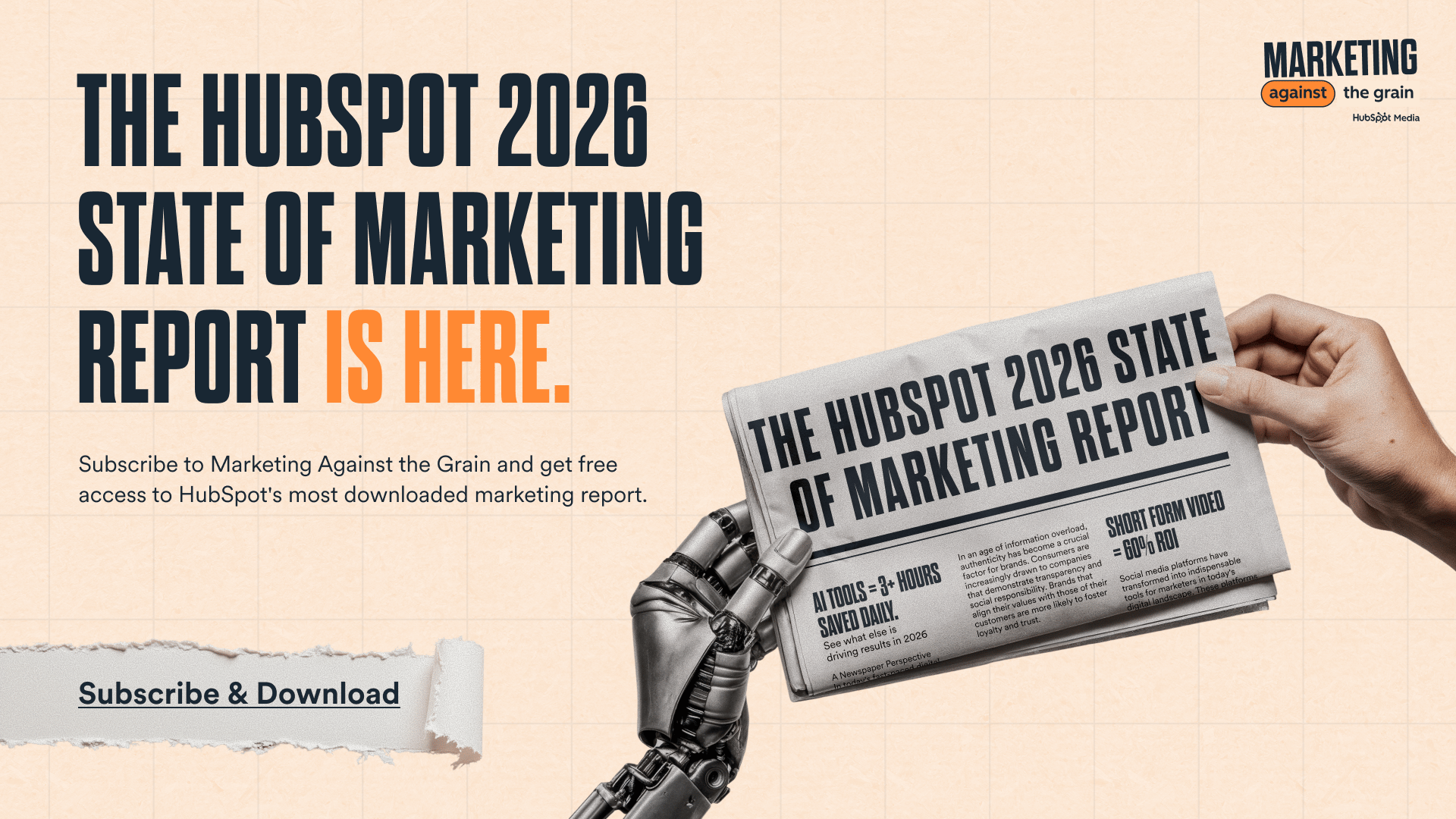
61% of marketers say this is the biggest marketing shift in decades.
Get the data and trends shaping growth in 2026 with this groundbreaking state of marketing report.
Inside you’ll discover:
Results from over 1,500 marketers centered around results, goals and priorities in the age of AI
Stand out content and growth trends in a world full of noise
How to scale with AI without losing humanity
Where to invest for the best return in 2026
Download your 2026 state of marketing report today.
A Feel Good Place
Tollhouse Chocolate Chips: A History

There are very few things that stick out in one’s memory than the smell of a home cooked meal or a baking pastry, especially if it’s made with the love of a parent for their child. For me, the chocolate chip cookies my mom used to make is that thing for me, because they were easy enough to put together, and were a delicious all on their own.
When I started writing about food and beverage businesses, it struck me that despite how recognizable Nestle Toll House Chocolate Chips were and the prominence they played in my memory of those cookies, I didn’t understand fully how they came to be the dominant brand for both the industry and the childhood memories of so many. After looking into it, I found out that chocolate chips have a more complicated history than I initially imagined, and the Toll House Chocolate Chip brand was actually the result of a woman whose creativity — in her business acumen, her recipes, and her ability to promote them — is what enabled it to become the powerhouse we know Toll House Chocolate Chips to be.
Want to find out more about the story?
Something Read
Author’s note: While I had prepared to showcase the review here of No Country For Old Men by Cormac McCarthy, I chose to make a change; it didn’t fit with the rest of the theme, but you can catch my review in the next issue.
MARGO’S GOT MONEY TROUBLES BY RUFI THORPE
Margo has her whole life ahead of her: she’s a community college student who has even managed to catch the eye of her literary professor, and is perfectly ok with the fact that he’ll probably never leave his wife for her. Sure, she may be reflecting some of her own mother’s tendencies to get into relationships that aren’t built to last, but on the whole, her life is looking up. However, when she finds out she’s pregnant and decides to keep the baby against the advice of her mother and the child’s father, she quickly learns just how much her life is set to change for the better.
For Casual Readers: The book will likely appeal to anyone who’s interested in stories that have a strong female protagonist and highlight all the ways that mothers sacrifice for their child. It’s a lighthearted book that delves into the serious side of becoming a parent and all its attendant absurdities without shying away from just how serious a mother’s love can be.
For Writers: The book offers a great example of how to create characters that simultaneously are victimized by chance circumstances, and yet have a deep well of strength they can pull from to overcome those circumstances. Thorpe’s ability to inject humor into a story that otherwise deals with serious economic and personal exploitation is also something worth emulating for any writer, as its versatility has applications across genres.
What Comes Next
Enjoyed this issue? Here’s what you can expect from the next newsletter:
A reflection on Memorial Day
How a kitchen supply store uses education to promote its brand.
The previously teased review of “No Country for Old Men” by Cormac McCarthy
As always, while this project may be a space where I share some of the things I have been thinking of, I also want to make sure it delivers value for you. So if you have feedback on what you would like to see, let me know and your recommendation may make it into the next issue.
