All articles

A long-lost meditative art
In a future where digital data passes through society as easily as blood through the body, a small groups of devotees isolate themselves in dim, soundproof rooms. There, away from the endless flow of generated output, they engage in a long-lost meditative art. The practitioners claim the practice sharpens perception, transports devotees to new lands, and occasionally yields moments of unusual clarity. But it requires persistence, discipline, and sustained attention, qualities increasingly rare in the digital age. The almost monastic order preserves the practice carefully, even as the broader culture dismisses them as rude, reclusive, even reactionary. What is this rebellious act? They read books. Subscribe now

Writing is thinking (and grading is, too)
Two recent statements, one from Nature Reviews Bioengineering and another from the Modern Language Association, arrive at the same conclusion from different directions: Writing is part of thinking and assessing writing is part of teaching. The Nature editorial makes the cognitive case. Writing forces structure onto ideas. It turns scattered research into a narrative, and in doing so, reveals what the work actually means. If that’s true, then outsourcing writing of scientific works to an LLM is not just a productivity play. It is also a shift that threatens to weaken academic work. Subscribe now The MLA statement makes the institutional case. Assessment is a human act of communication. It depends on context, judgment, and experience. Automating it risks hollowing out the role of the educator and redefining learning as something that can be measured mechanically, without being understood. Both land in the same place. While AI can assist, it should not replace. This lines up with an emerging broader pattern as institutions deal with the rise of generative AI. The real risk is not just hallucination or misplaced confidence. It is the steady removal of the steps where people develop skill. Things like drafting, struggling, revising, interpreting, etc. The parts that feel slow, that provide friction, are often the parts where the most important work is done. This is where an AI coaching model, like the one I’ve been exploring, fits in. When used properly, AI can support the creative thinking and writing process: prompting reflection, offering alternatives, helping organize ideas, etc. Used poorly, generative AI short-circuits that creative struggle process and delivers a shallow answer without the thinking that is needed behind it. Generative AI tools can be used to, as Doug Engelbart said, help people “get better and getting better.” Academia, at least in these cases, is leaning into that approach. That’s a good sign. Subscribe now

The cost of always having the answer
The erosion of persistence
Going Beyond the Hyperlink
Following links helps clients move. Understanding forms helps clients choose.
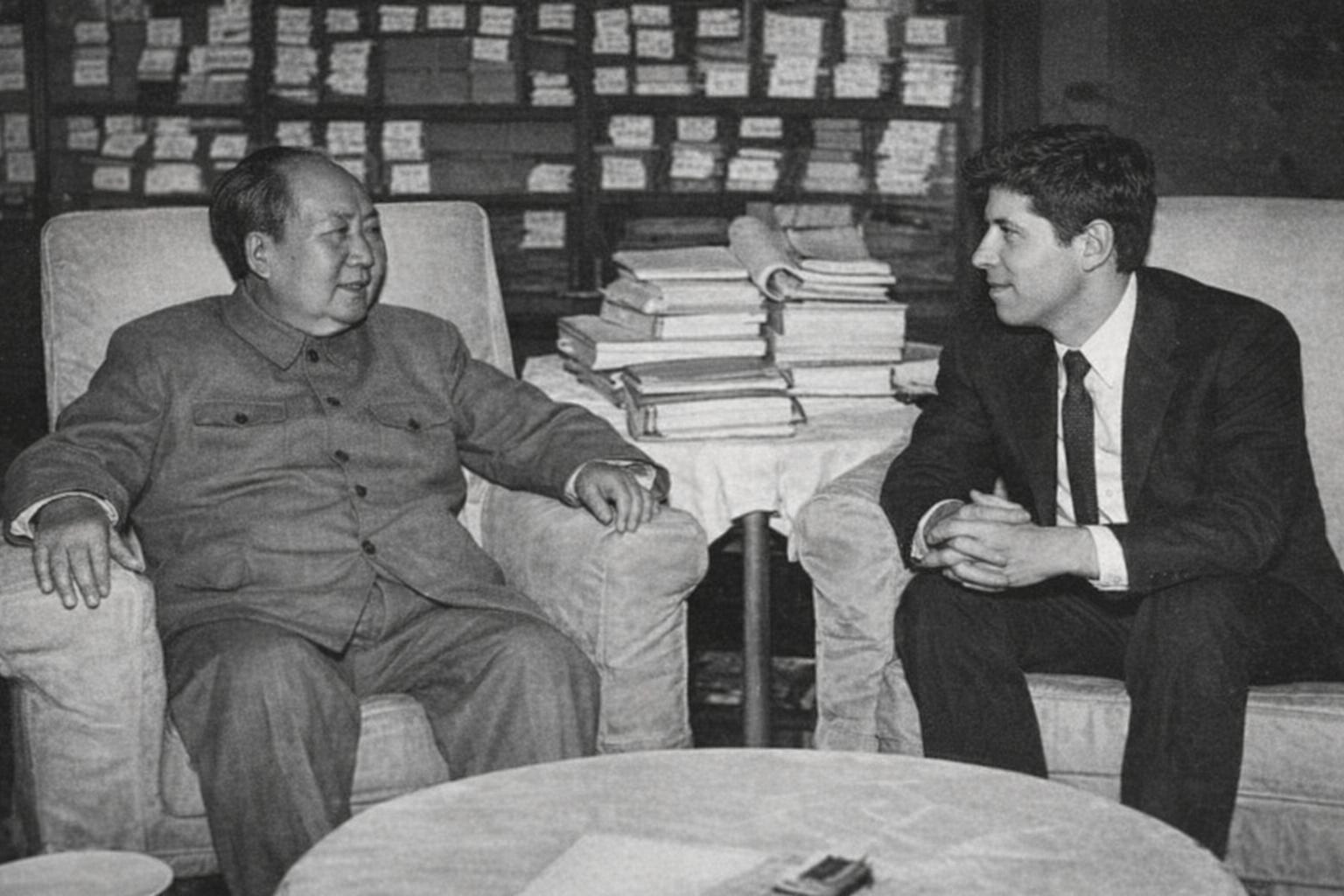
The AI Great Leap Forward (a warning)
“Expertise was irrelevant. Conviction was sufficient.”
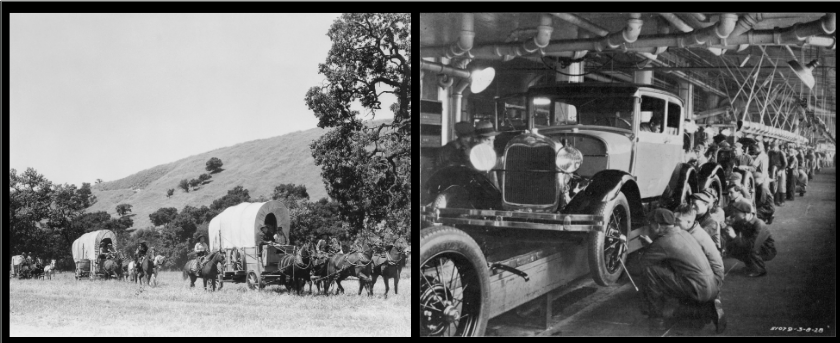
Factories and Frontiers
Designing agents for stable systems and shifting terrain
A useful definition at the right time
"An AI agent is ..."

The keyboard was never the bottleneck
The art of programming isn’t disappearing. It’s moving
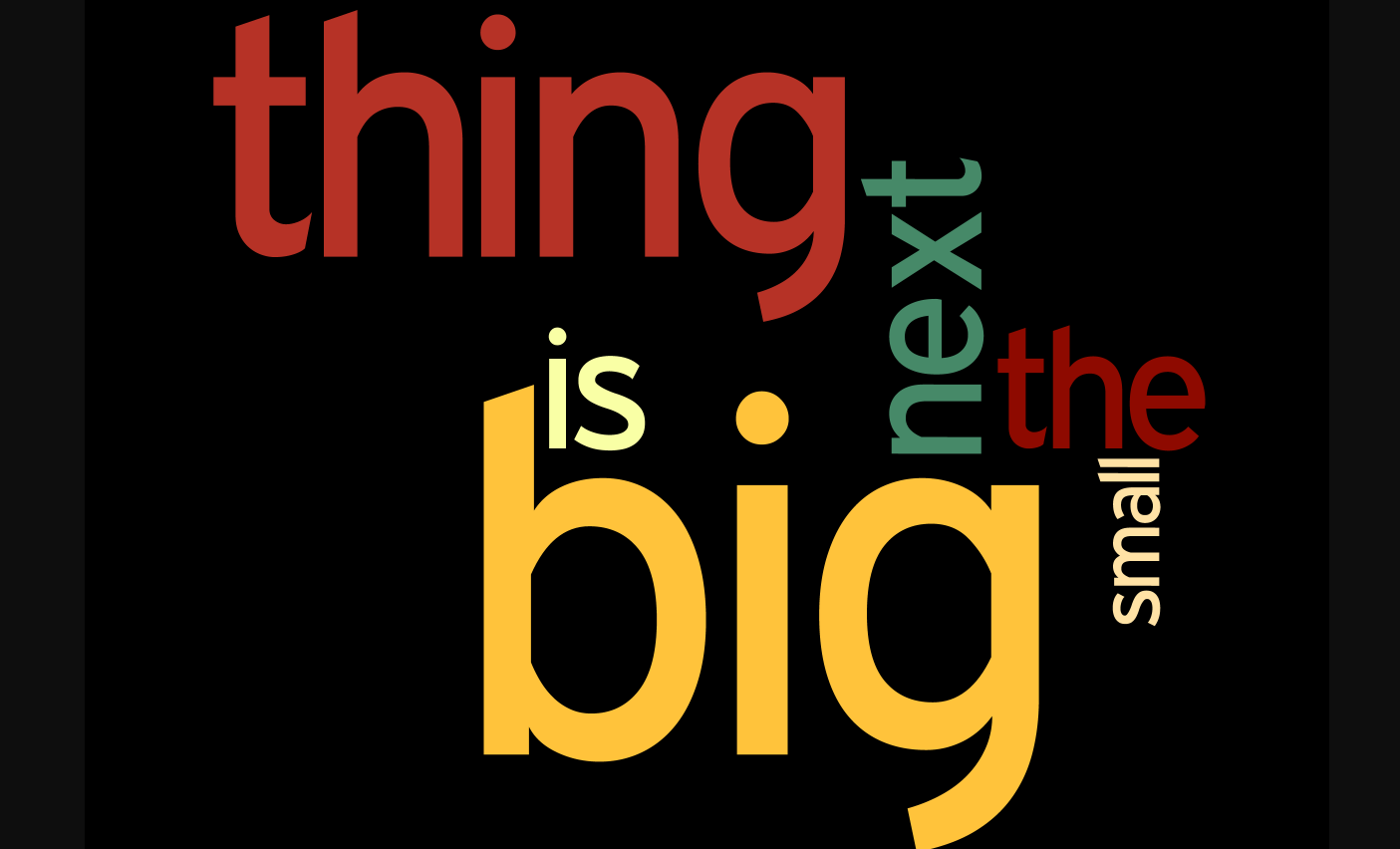
The Next Big Thing Is Small (Redux)
Revisiting a prediction about distributed systems

The Whitworth layer
Messages are fungible. Meaning is not.
Weizenbaum’s Four Warnings for the AI Era
When computational capability turns into institutional authority
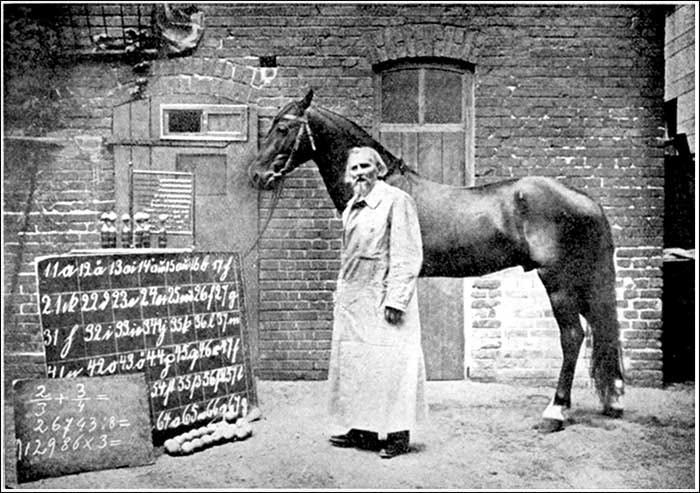
The Clever Hans Effect
At the turn of the twentieth century, crowds gathered to watch a horse do something extraordinary.

Signal ping : Skill still sets the ceiling
AI helps most when it is guided by experience.
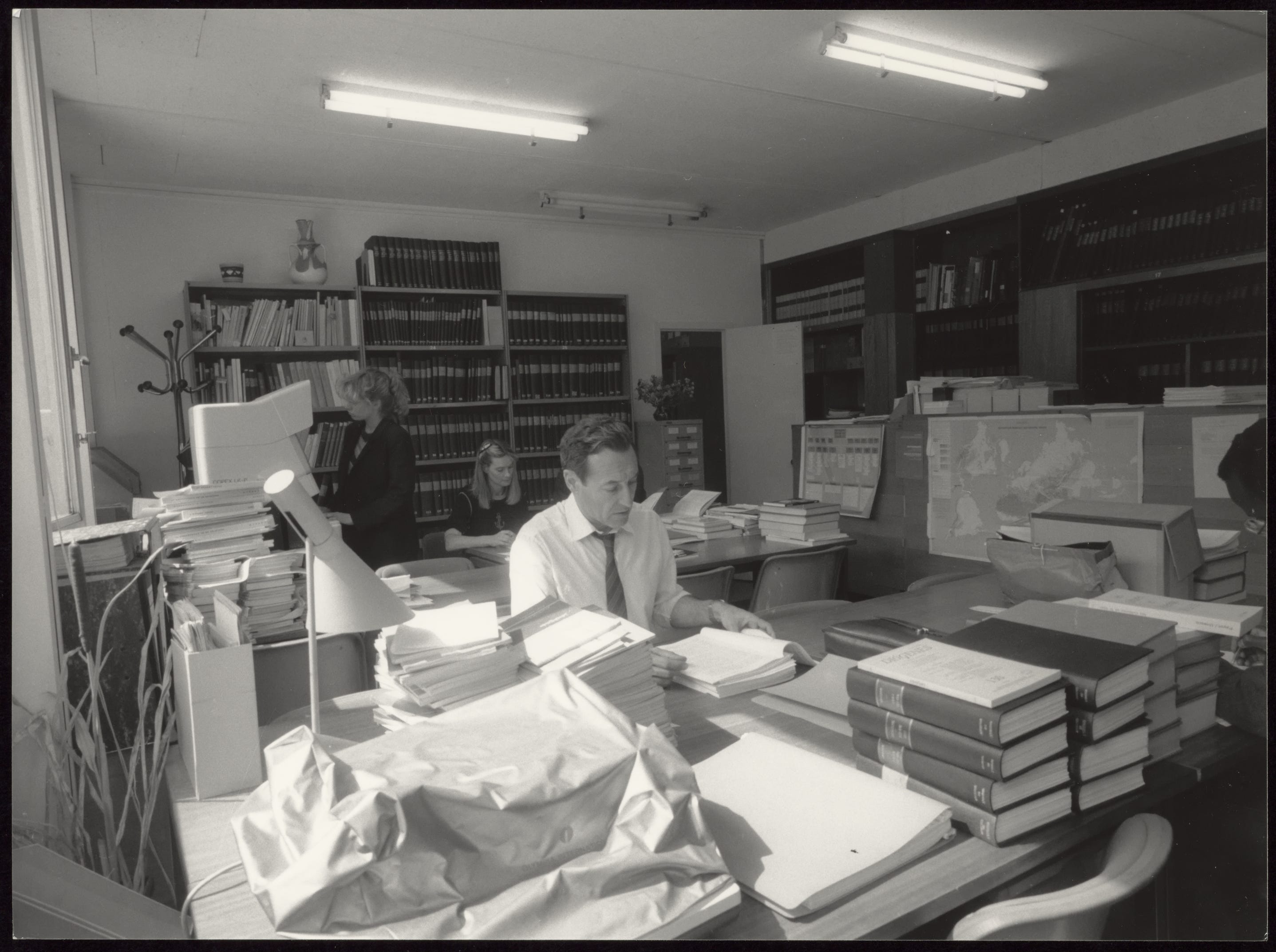
Reading Naisbitt’s Megatrends again
The lessons we should have learned forty years ago

Why I keep talking about affordances
Because science tells us intelligence starts with what you can do, not what you know.

Why API Stories Come Before the Spec
Designing intent while change is still cheap

Shortwave: AI fatigue and the long middle of adoption
A field report from the people watching users closely.

Signal ping : Schools have seen this movie before
Tools do not fix institutions.
Hypermedia is the missing control surface for AI
Clear affordances deliver reliable agents.

Shortwave: Human-centered AI is not a new idea
Human-centered AI treats machines as tools, not replacements.