All articles

You will need more than a schema registry
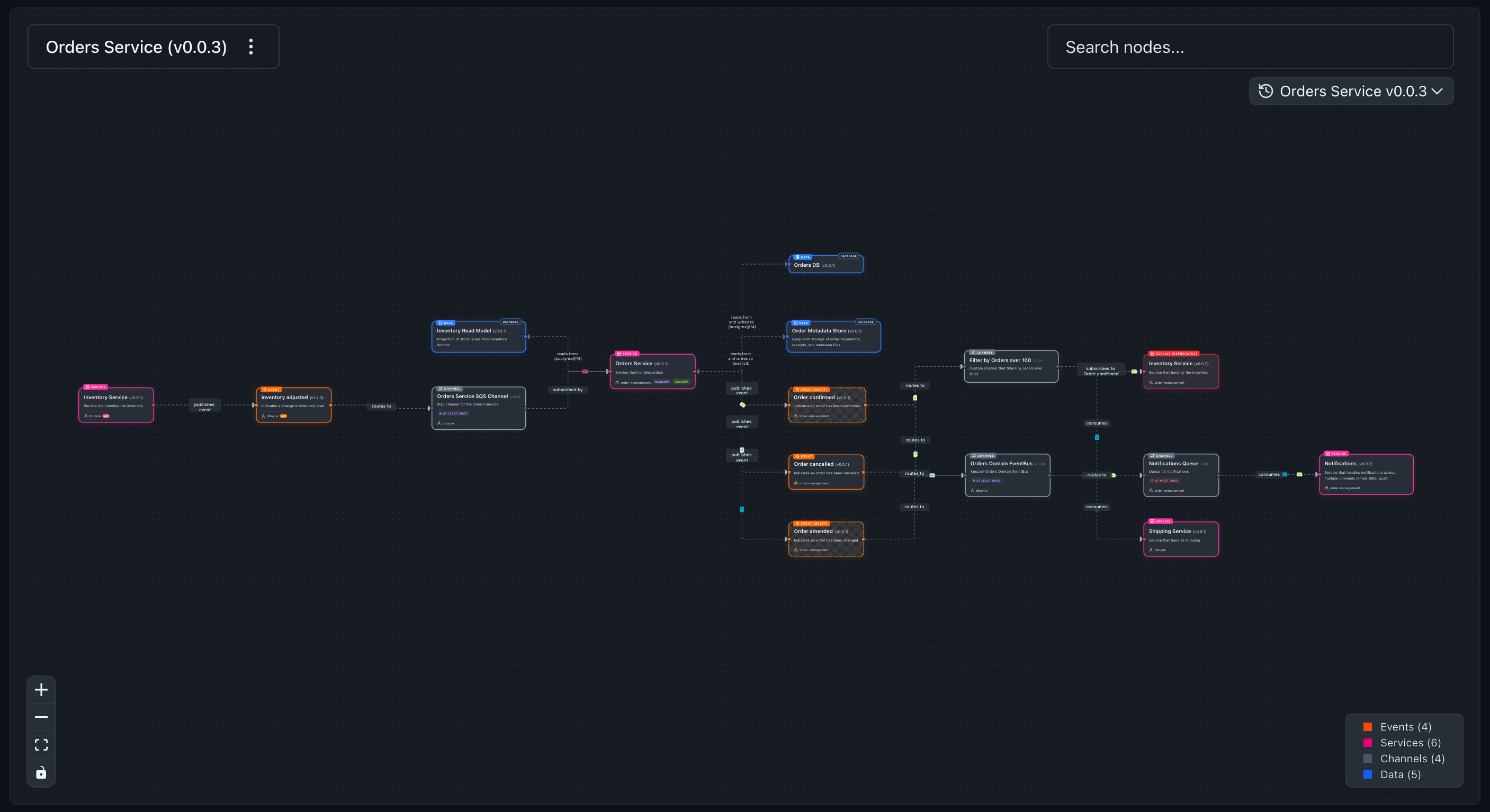
Most teams I talk to already have a schema registry e.g Confluent, Apicurio, Glue, Azure, GitHub. A registry is a good idea. It stops you publishing garbage at runtime. It versions the contract. Producers and consumers can agree on a shape. Then I ask who consumes OrderPlaced. Silence. Or a Slack thread. Or someone who left six months ago. The registry will tell you the schema is valid. It will not tell you the architecture. It does not know the domain. It does not know the team. It does not know that payments still reads a field you were about to delete. It does not know the ADR that said we would never put PII on that event. It is a lock on the door. It is not a map of the building. I used to think this was a documentation problem. Put the schema in Confluence. Draw a diagram in Miro. Maybe a spreadsheet of owners. That lasts until the next deploy. The registry stays current because the pipeline forces it. The wiki does not. What we actually need is a catalog of the architecture, with the schemas attached. Domains, services, messages, owners, decisions, versions. The registry stays the source of the contract. The catalog is where that contract sits in the system you actually run. Humans can browse it. Agents can query it. Nobody has to remember. If you already have a registry, keep it. The missing piece is everything around the schema: who produces, who consumes, what breaks, and who to talk to. That is the catalog. I have been building EventCatalog around that idea. The registry integrations exist because the schemas already live somewhere. The point is not to replace the registry. It is to stop pretending the registry is the architecture.
Your documentation is a model, not a wiki page
Why structured architecture docs are the most undervalued asset in engineering, and how AI is about to change that
Your AsyncAPI specs deserve more than a repo. Give them discoverability.
Most teams write specs and forget them. Here's how to turn them into a catalog your whole org can browse, search, and understand.
Domain-Driven Documentation: Documentation was never the problem
Why context, not content, is the real challenge for modern documentation
I think I just hired...... a robot?
I Installed OpenClaw 48 Hours Ago… and It’s starting to feel like a teammate
I think I just hired...... a robot?
I Installed OpenClaw 48 Hours Ago… and It’s starting to feel like a teammate
Don't sell to developers. Focus on value, advocacy and creating internal champions
My thoughts and lessons on selling to developers; and why a focus on value, advocacy and internal champions can help.

Don't sell to developers. Focus on value, advocacy and creating internal champions
My thoughts and lessons on selling to developers; and why a focus on value, advocacy and internal champions can help.

Can you get more value from your EventStorming workshops? I think you can....
So you finished an EventStorming session, you have 100s of post-it notes. What's next? In this blog post I explore an experiment of turning EventStorming into EventCatalog using MCP.
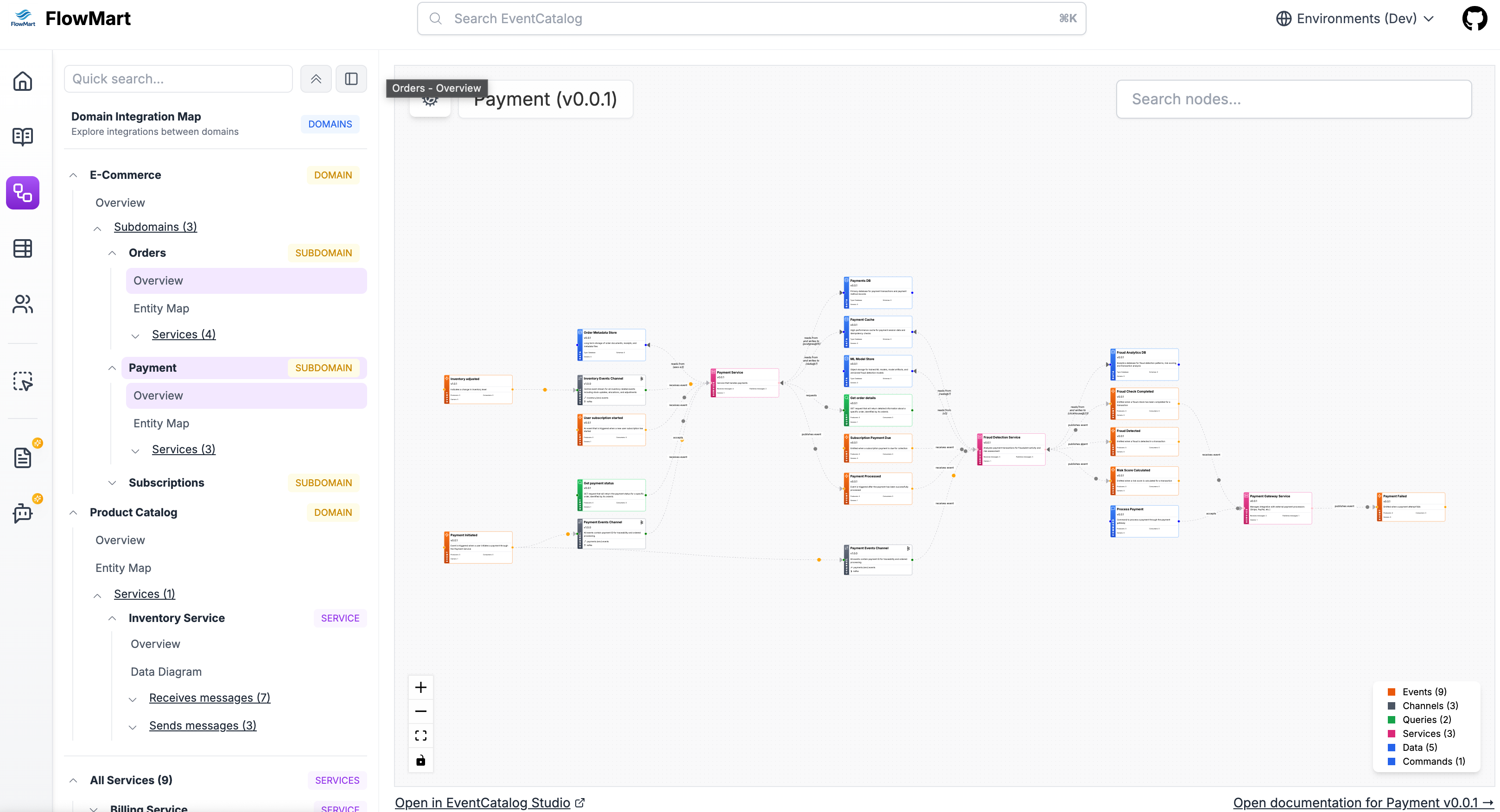
Can you get more value from your EventStorming workshops? I think you can....
So you finished an EventStorming session, you have 100s of post-it notes. What's next? In this blog post I explore an experiment of turning EventStorming into EventCatalog using MCP.
Before You Publish Your First Event… Stop.
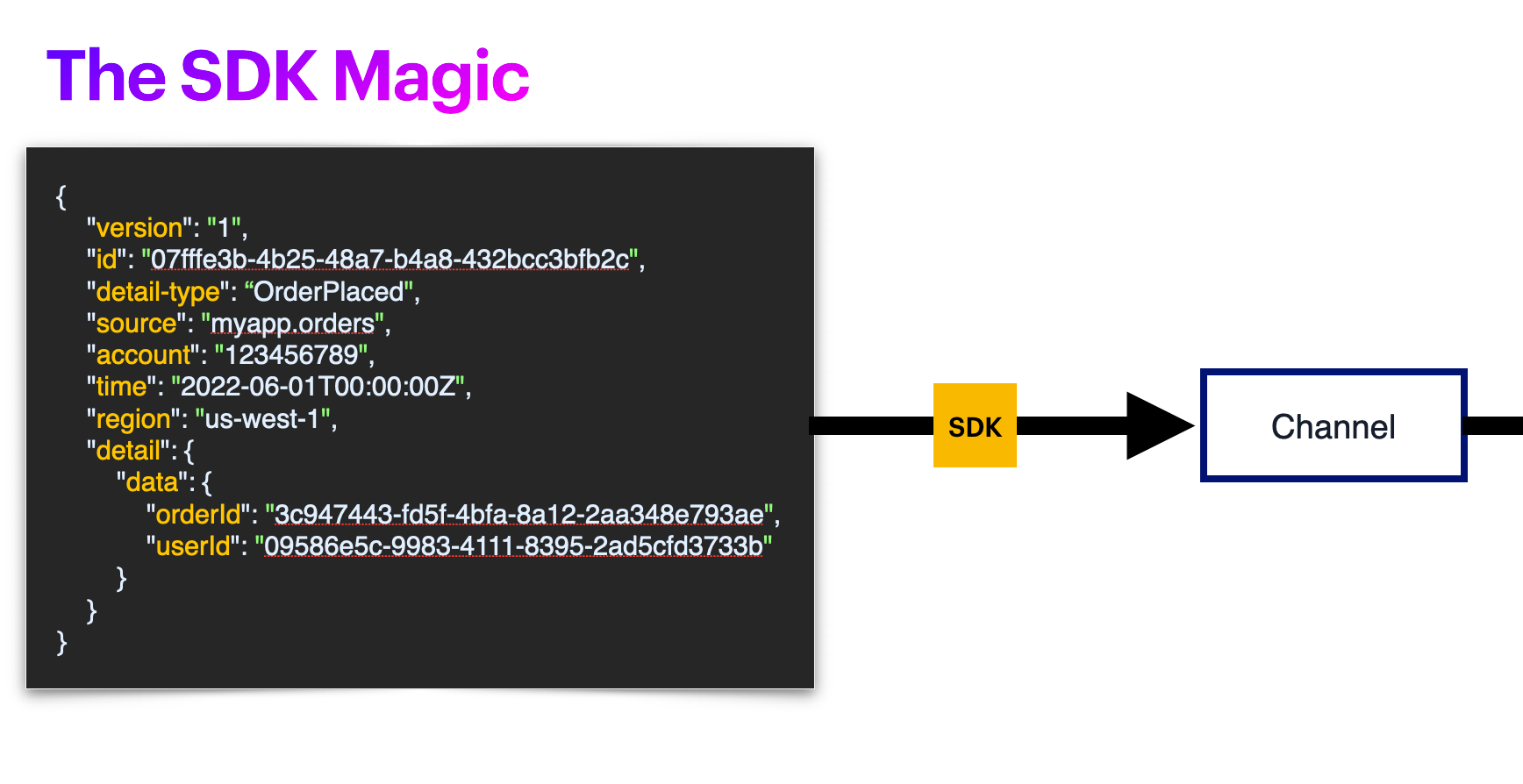
The hidden trap in event-driven architecture that few talk about
Before You Publish Your First Event… Stop.
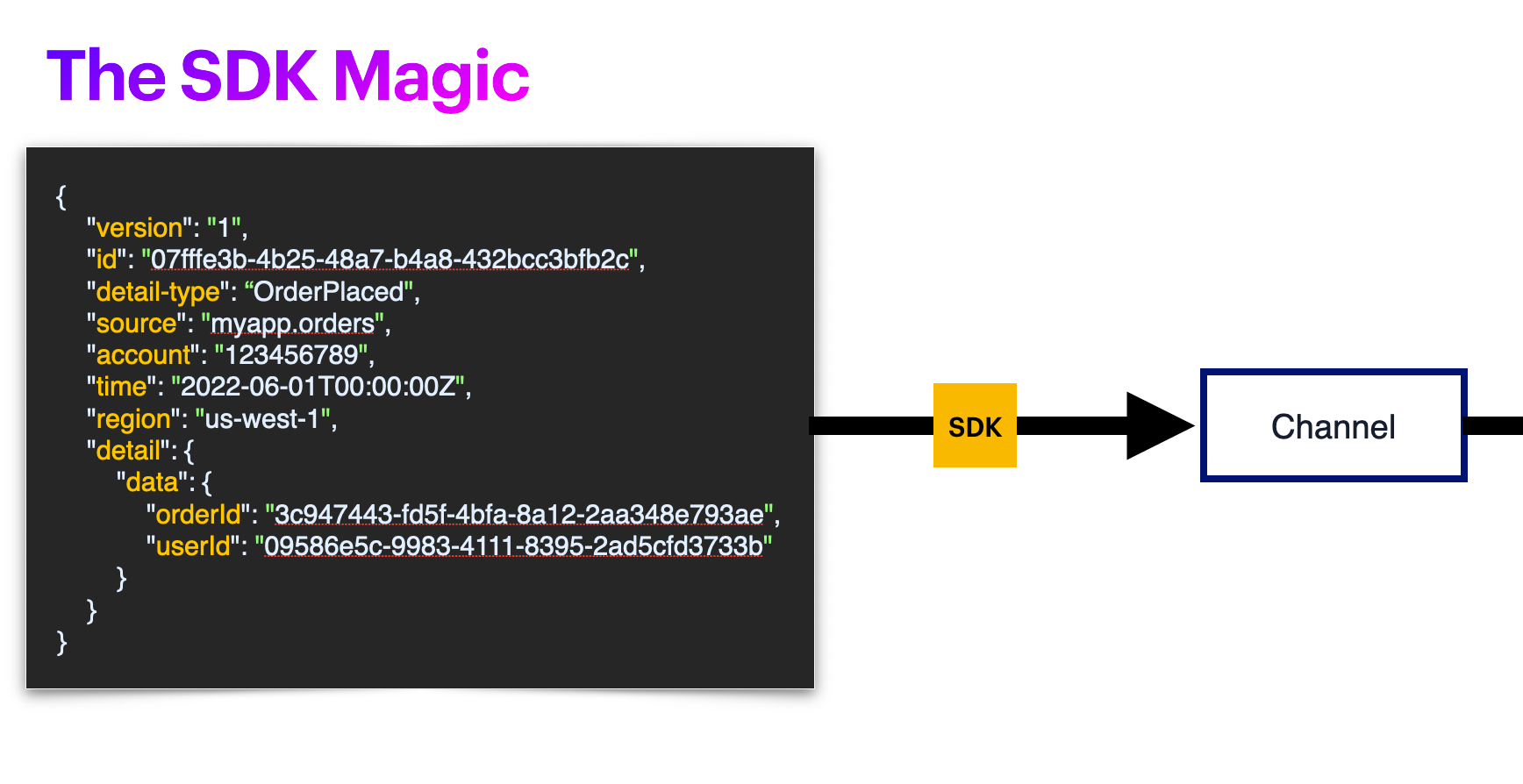
The hidden trap in event-driven architecture that few talk about
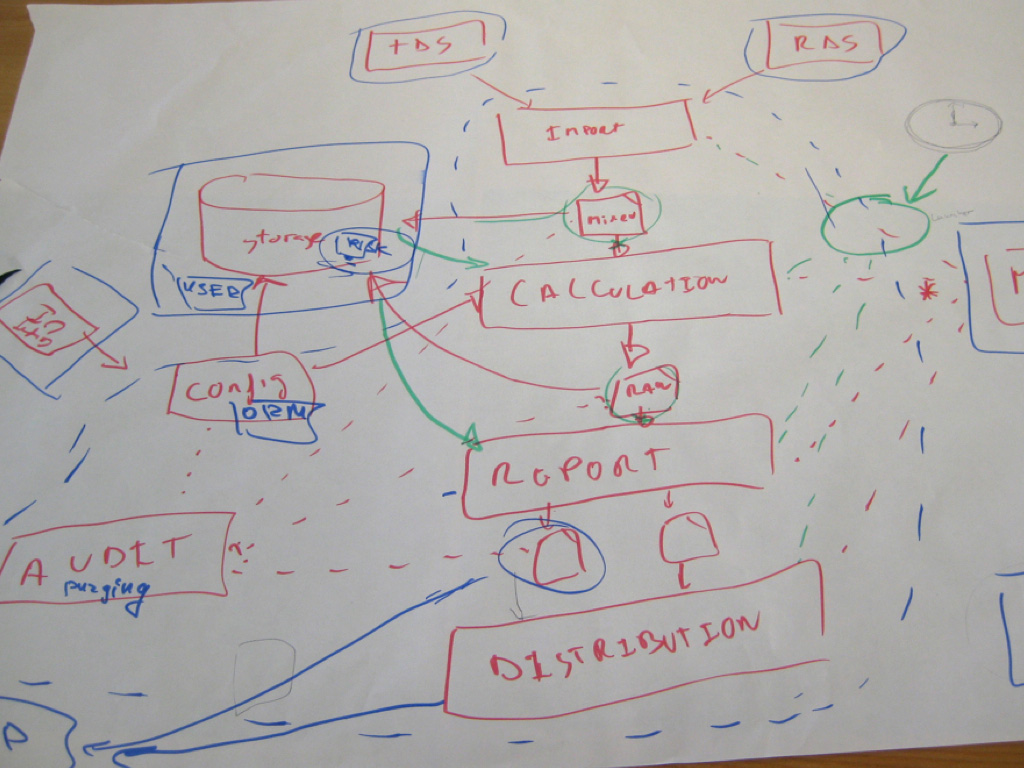
Do we need another diagram tool? Maybe not… But I think we can do better
My thoughts on the pitfalls of diagram tools today, the value lost, and why we can do better.
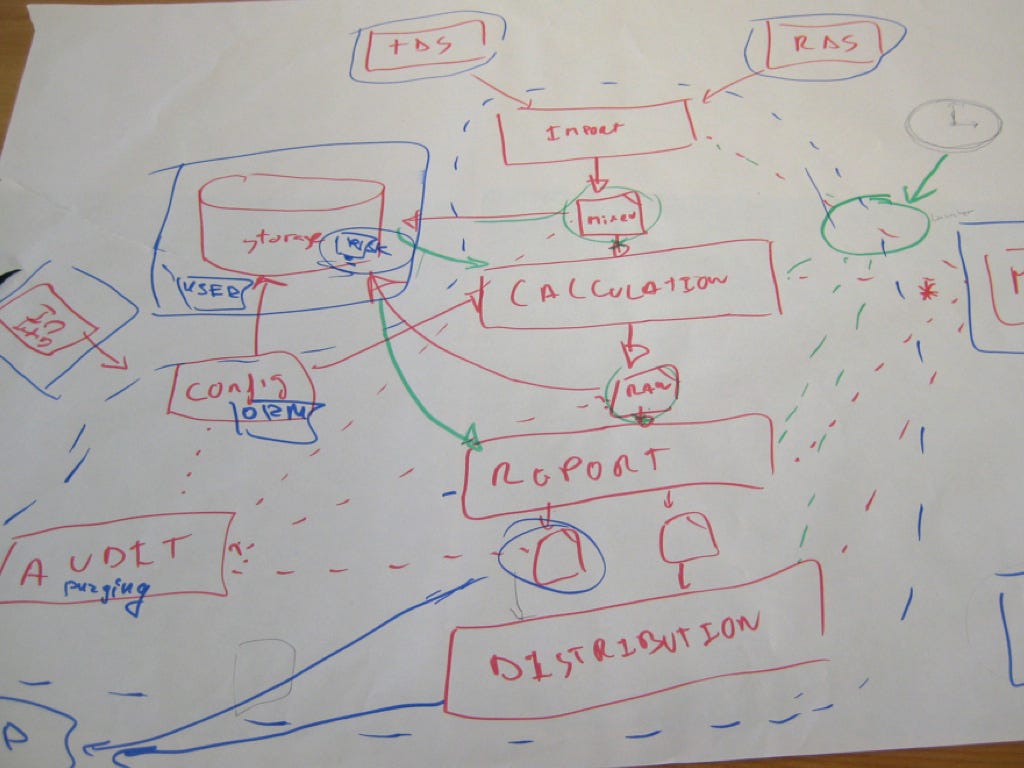
Do we need another diagram tool? Maybe not… But I think we can do better
My thoughts on the pitfalls of diagram tools today, the value lost, and why we can do better.
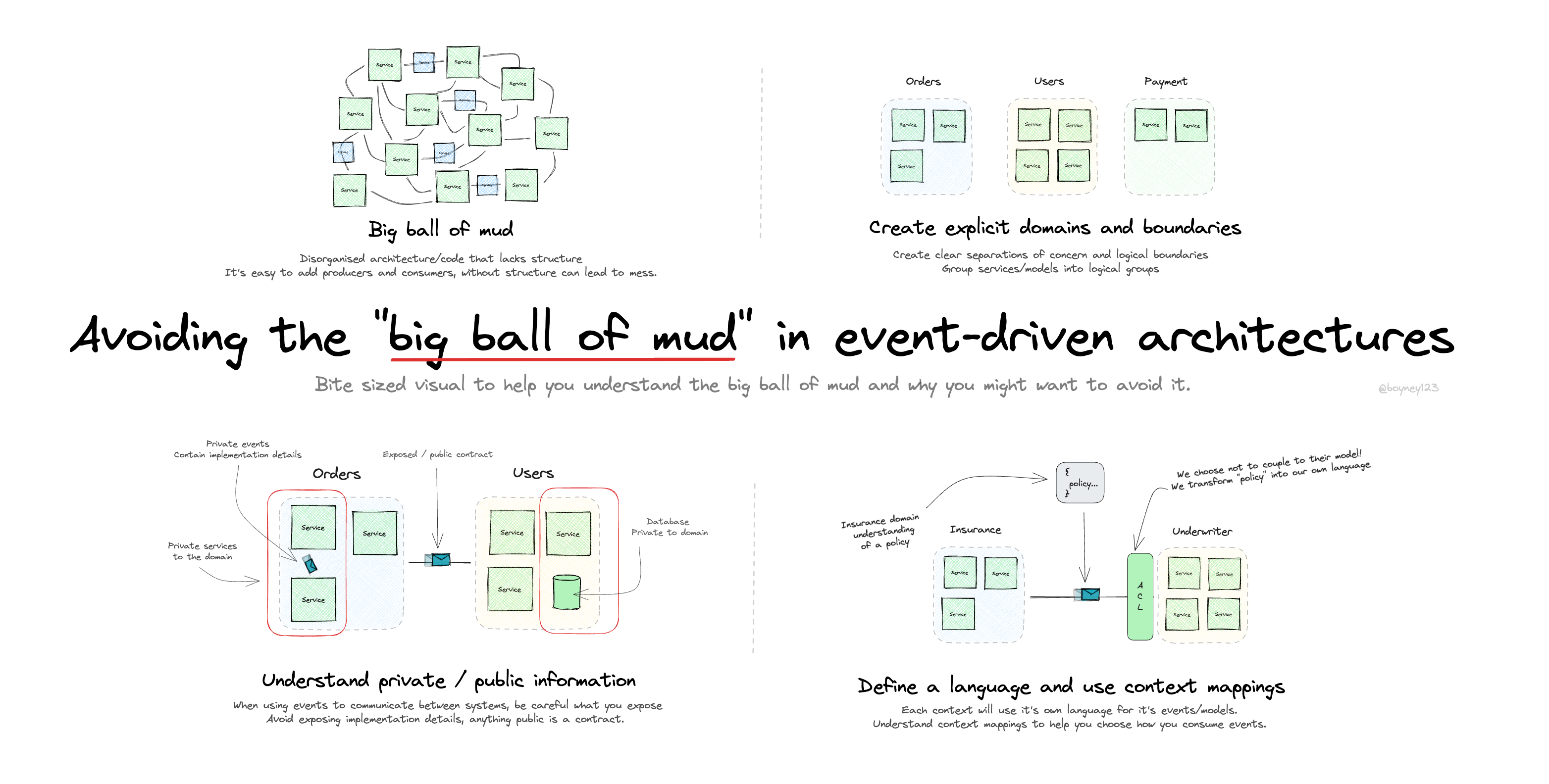
How to Stop Your Event-Driven Architecture from Turning Into Chaos
The three most common pitfalls organizations fall into when building event-driven architectures.
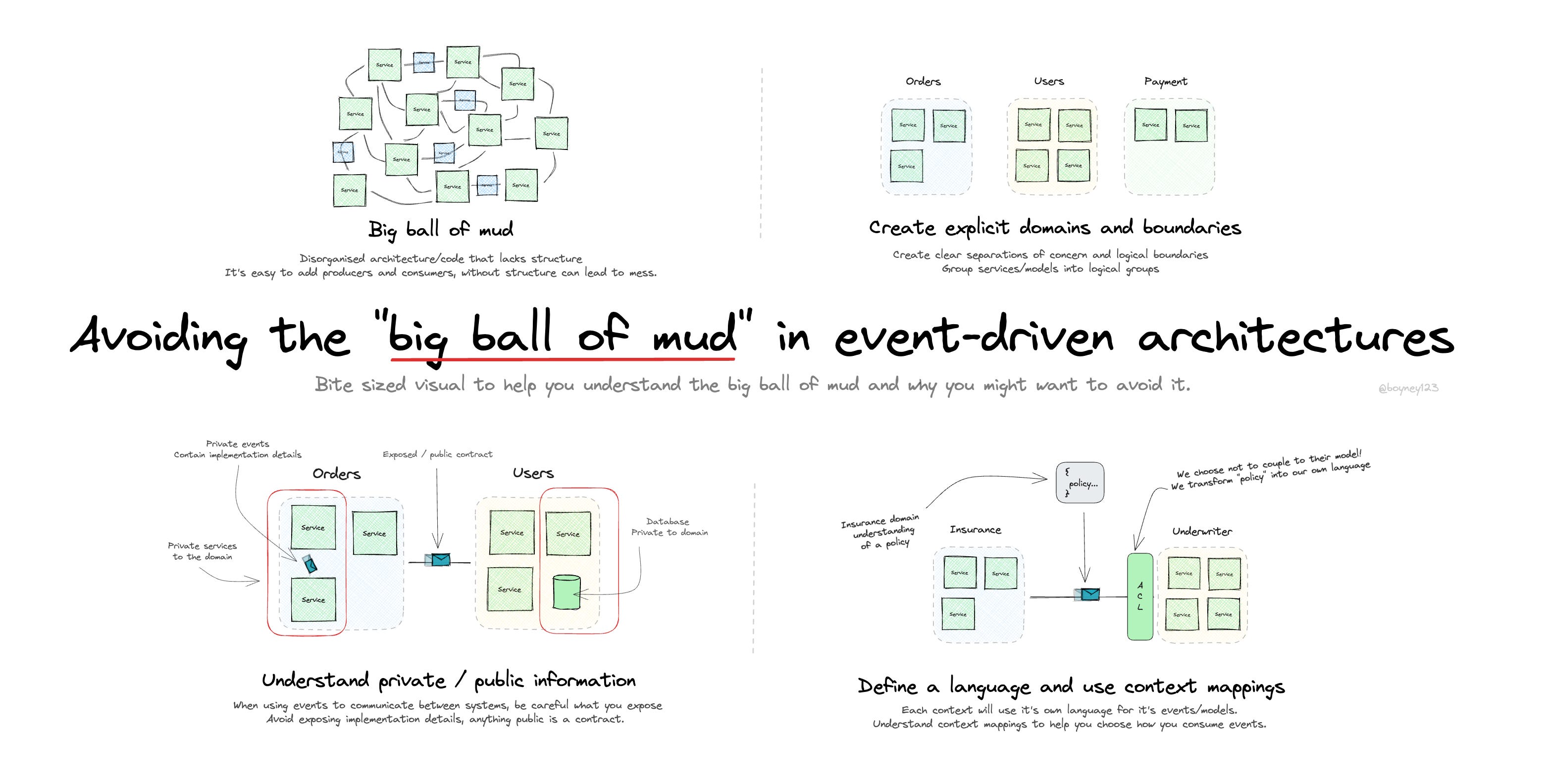
How to Stop Your Event-Driven Architecture from Turning Into Chaos
The three most common pitfalls organizations fall into when building event-driven architectures.
Event-driven architecture is a shit show - It’s time to fix it
Reflecting on event-driven architecture, it's problems and what needs to change.
Event-driven architecture is a shit show - It’s time to fix it
Reflecting on event-driven architecture, it's problems and what needs to change.
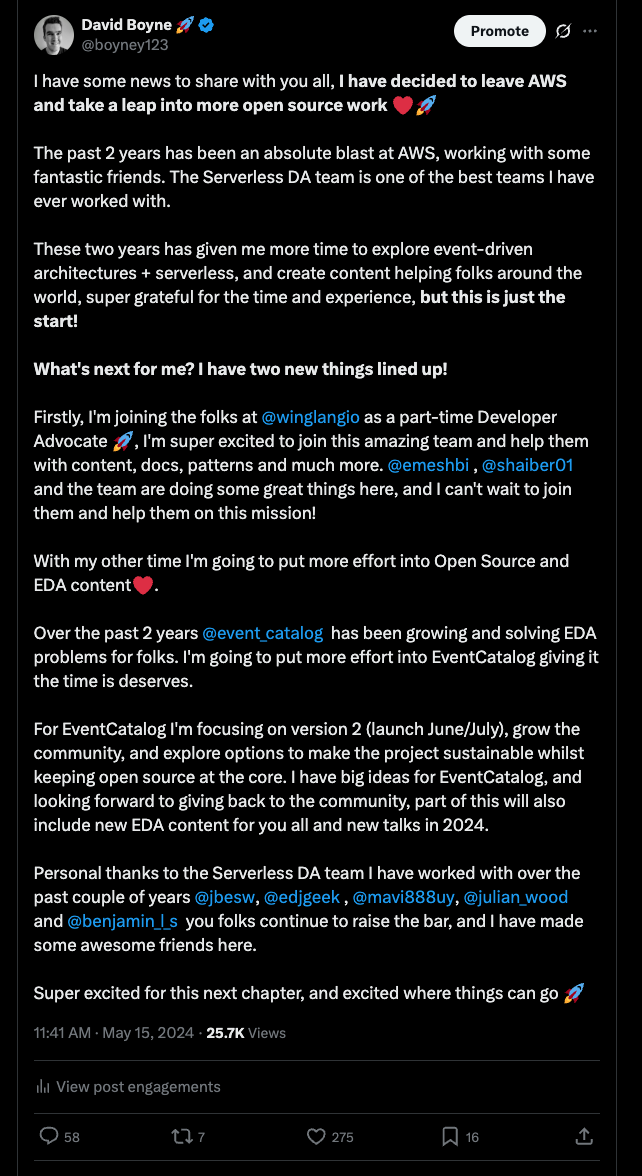
From side project to full time; 12 months of open source
Some lessons learnt turning my open source side project into a full time job.
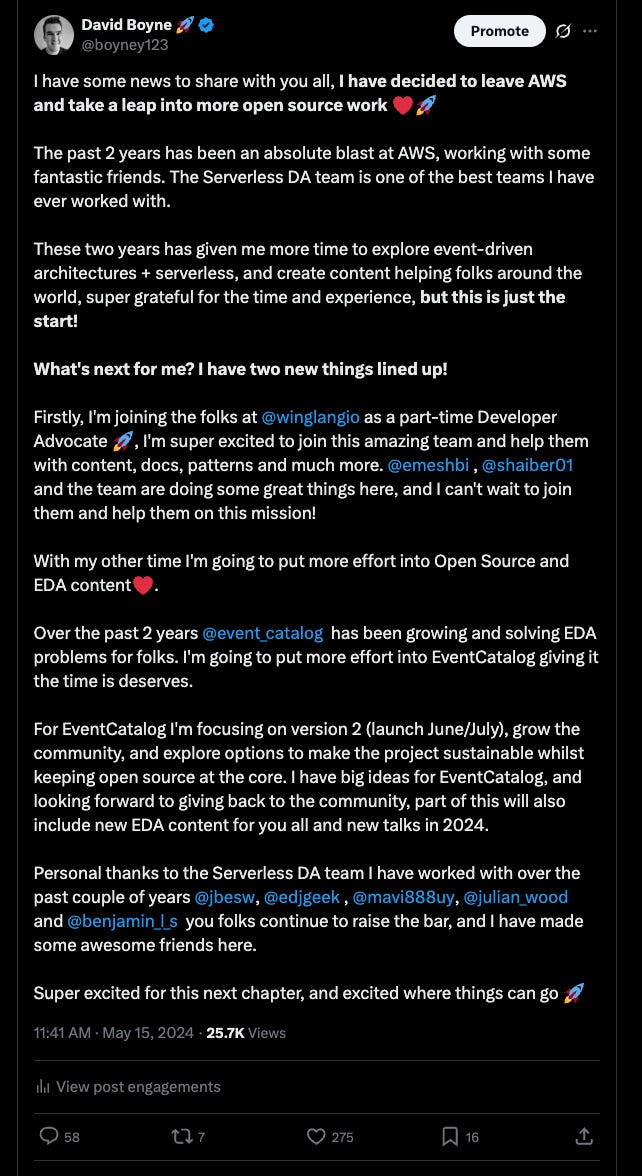
From side project to full time; 12 months of open source
Some lessons learnt turning my open source side project into a full time job.